


At a mass casualty incident or MCI, two tracking systems need to run at the same time, as neither can substitute for the other. Triage tags move with patients through each priority zone on the scene. Meanwhile, passport tags stay with the entry control officer and show who is inside the hot zone at any given moment. The incident commander needs a clear picture from both systems to make good decisions under pressure.
Most departments train for MCI triage and give far less time to the crew accountability side of the same event. That gap shows up fast on a real scene, when mutual aid units arrive without passport tags and crews shift between sectors at the same time. When both happen together, the command post can lose track of personnel before the triage board is even full. Training both systems together and drilling the handoff between them is the only way to close that gap before a real event forces the issue.
MCI Triage and What It Demands From Command
A mass casualty incident, or MCI, is any event that stretches local EMS resources past their normal capacity. Triage, treatment, and transport all run at once. Multiple supervisors manage different parts of the scene at the same time. Because no IC can cover every sector at once, command has to keep everyone accountable while the IC focuses on the operation as a whole.
Standard ICS roles apply at an MCI the same way they do at a structure fire. The operations section chief manages the treatment sectors. The medical group supervisor oversees triage and patient care. The transportation officer handles ambulance loading and hospital routing. Each role needs a person, a vest, and a direct line to the IC from the start.
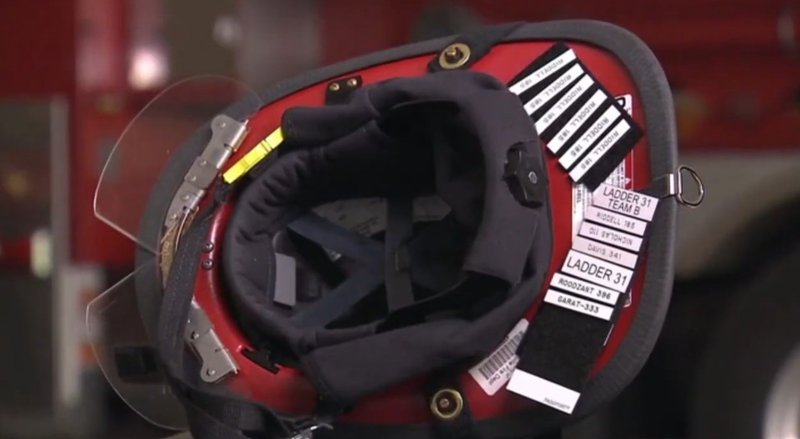
How MCI Triage Tags and Passport Tags Work Together
START triage, which stands for Simple Triage and Rapid Treatment, assigns each patient a color-coded tag. Red means immediate care, yellow means delayed, green means minor, and black means unsurvivable. In the same way, passport tags give each responder a record of their name, department, and assignment. Both systems run at the same time, and each covers what the other does not.
The accountability board at the entry point shows which crews are inside the treatment area. The triage sector supervisor tracks patient counts by color. Together, those two records give the IC a live picture of both loads at any point. When a crew moves to a new patient, their tag stays on the board. As a result, the record stays current without the IC calling each supervisor for an update.
Mutual Aid and the Accountability Gap
MCIs almost always bring in mutual aid. When outside units arrive, they come with their own protocols and sometimes without passport tags at all. Without a way to bring those crews into the host system, the IC ends up with a record that only covers part of the scene.
IMS Alliance make-up kits are built for that situation. Each kit holds passport parts for three apparatus and fits any agency that arrives without its own system. When an outside crew checks in at staging, they get a collector and tags that tie them into the host board. That step has to happen at check-in, before the crew goes to work, because that is the only point where the record stays accurate. For that reason, pre-staging make-up kits at the staging area before mutual aid units arrive is a sound practice for any department that runs MCIs regularly.
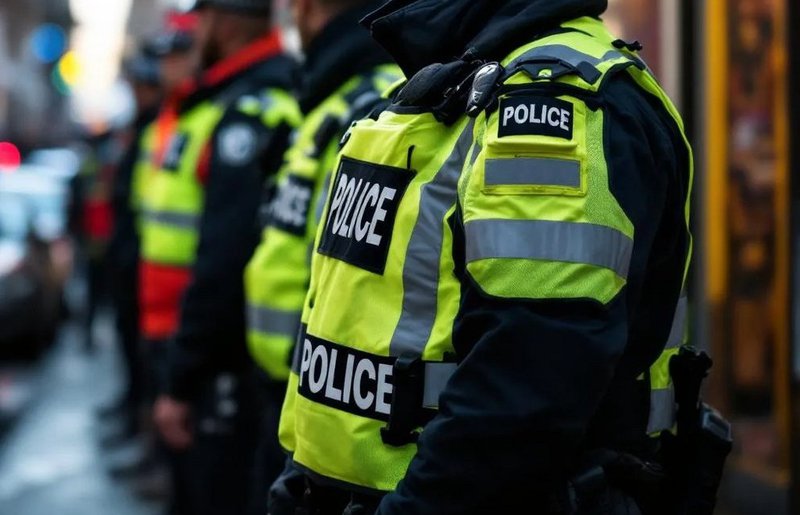
IC Vests at a Large MCI
At a large MCI, the command post can have ten or more people working at once. Without a clear role ID, arriving units cannot tell the IC from the staging area manager at a glance. IC vests fix that by giving every command position a color-coded label that any crew can read from a distance.
Full vest sets matter more at an MCI than on a routine call. When mutual aid supervisors need to find the medical group supervisor, a vest makes the search instant. Similarly, vest colors that match the accountability boards and command boards create a visual system that holds up even when radio traffic is high. For departments that run MCI drills with other agencies, testing those tools before a real event is the best way to find gaps in the setup. Departments ready to improve their MCI tools can contact us to learn more about passport systems, make-up kits, IC vests, and command boards.


