

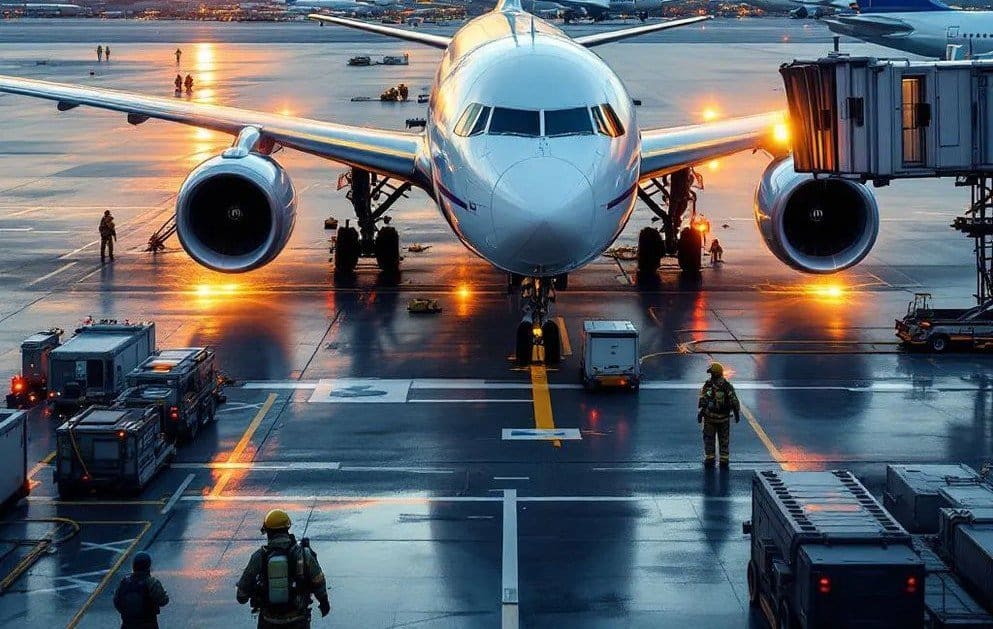
Airport fire crews face hazards that most fire teams never train for. Aircraft Rescue and Fire Fighting, or ARFF, crews work with high-fuel loads, aircraft parts that burn fast, and pressurized systems that behave in ways a house fire does not. Those gaps shape how ARFF teams set up command and track their crews on every call.
What ARFF Teams Do Differently
ARFF vehicles carry foam, dry chemical, and other agents made for aviation fuel fires. That loadout differs from what a standard engine company carries. The whole ARFF discipline also runs under Federal Aviation Administration, or FAA, Part 139 rules. Those rules set clear standards for response times, staffing, training, and gear at certificated airports.
The airport index runs from A through E. It ranks airports by aircraft size and daily flight counts. That index tells each airport what ARFF gear and staffing it must keep on hand. A small airport at Index A has lighter needs than a large hub at Index E. For that reason, ARFF crews plan around regulation, not just preference.
Crew Identification in the Airport Operations Area
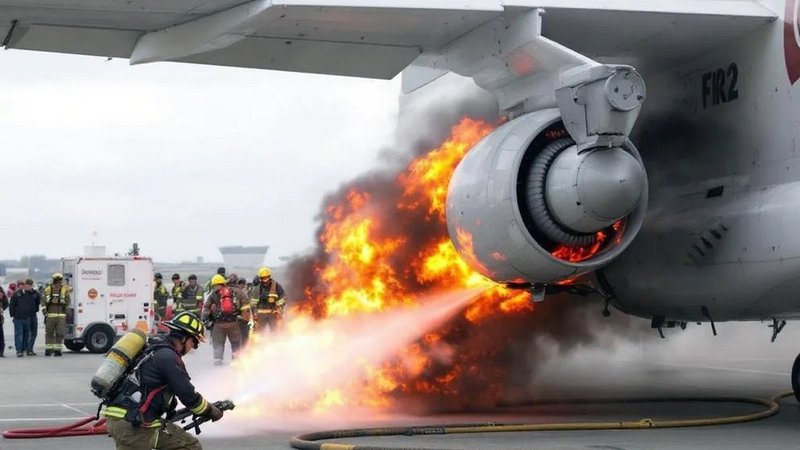
The airport operations area, or AOA, is a controlled zone. When an aircraft emergency starts, it fills fast with ARFF units, mutual aid fire crews, airline staff, law enforcement, and airport staff at the same time. In that setting, crews need to read command roles at a glance without radio contact. Because the AOA is loud and busy, visual ID tools matter more than they do on a standard fire scene.
Color-coded helmet shields show each person's role to all crews in the area. IC vests mark every position in the Incident Command System, or ICS, at a glance. When a mutual aid fire crew arrives, they can find the incident commander and the safety officer right away. Similarly, airports that run unified command during major emergencies need a clear role ID at the post from the first moment.
Passport® Accountability at the Aircraft
At an ARFF scene, the hazard zone boundary is the aircraft itself. The entry control officer takes passport tags from each crew member who enters the hot zone and keeps the board current. Passport® collectors group crews by apparatus or team, so the board reflects the ICS structure, not just a list of names.
In a large aircraft emergency, many agencies work closely together under unified command. Without a tag system, the IC cannot produce a fast and accurate Personnel Accountability Report, or PAR. Radio traffic on an active airport is already heavy with air traffic control, ground crews, and emergency calls. For that reason, a record that needs no radio check is especially useful when a PAR has to happen fast. When conditions shift fast and a crew goes missing, that record is the only one that does not depend on a working radio network.
ARFF Operations Boards and Custom Shields
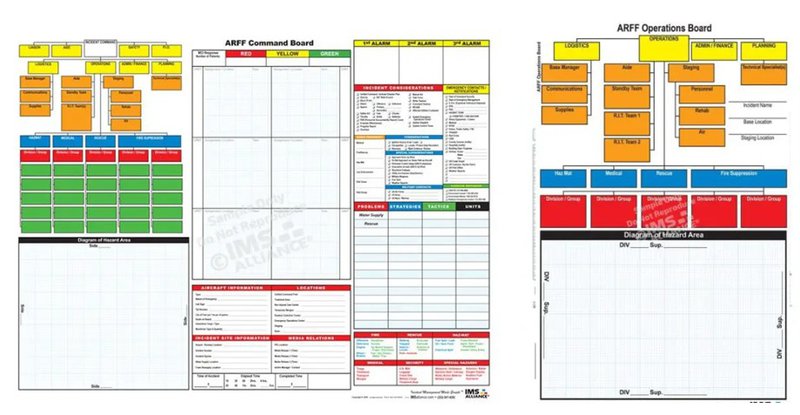
IMS Alliance® makes an ARFF Operations board that comes pre-labeled for airport fire response. That layout cuts setup time and reduces the risk of missing a key field early in a call. When mutual aid crews from off-airport arrive, they often do not know the airport's ICS sector labels. A board that reflects the airport's own layout helps all crews at the post work from the same picture. In addition, having a shared visual reference at the post reduces the number of radio checks the IC has to make during a fast-moving event.
Custom helmet shields are also on hand for ARFF and airport fire crews. FAA rules require crew ID during ARFF operations. Custom shields with letter and number sets give each crew member a clear visual identity. Shields use Reflexite®material and include Velcro backing for helmet use. Blank reflective inserts are also available for leather helmets.
Planning for the Range of Aircraft Emergencies
ARFF crews train for more than runway accidents. Bird strikes, engine failures, fuel leaks on the ground, and cargo aircraft fires each bring other hazards and other accountability demands. For that reason, the tools that work on a structural fire scene need to be set up to fit the ARFF context. Similarly, the accountability setup that fits a small airport may need to scale up for a large hub with many ARFF stations and a wider mutual aid draw. Crews ready to set up or improve their ARFF tools can contact us to learn more about ARFF boards, helmet shields, IC vests, and passport® systems.


