


Imagine an airport inspector arriving for a Part 139 review. He finds no drill logs, no training records, and no written crew tracking process. That kind of gap puts a certified airport at risk of losing its operating status. The Federal Aviation Administration, or FAA, Part 139 sets firm rules for aircraft rescue and firefighting, or ARFF, at every airport that serves scheduled air carrier flights.
What FAA Part 139 Actually Requires
Part 139 covers ARFF staffing, response time, gear, training, and records. The airport index runs from A through E. It ranks airports by aircraft size and daily flight count. Index A airports serve smaller aircraft and have lighter needs. By contrast, Index E airports serve the largest commercial aircraft and carry the most compliance weight. For that reason, what a department must maintain depends on which index its airport holds.
Response time is one of the clearest rules. Index A through C airports must get ARFF gear to the midpoint of the farthest runway within three minutes of an alarm. Index D and E airports have a similar standard. All airports must also have gear in place before a plane lands when they get advance notice. When an airport falls short of those times in a drill, that failure goes into the record and shows up at the next inspection.
FAA Part 139 and Crew Identification
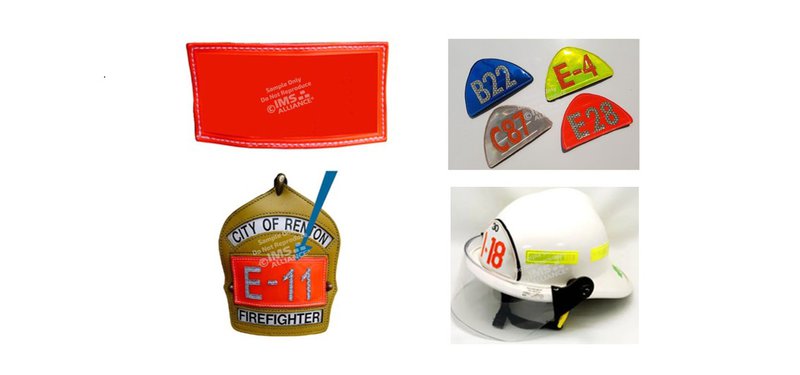
During an ARFF response, every crew member needs a clear visual ID. FAA rules require crew ID as part of ARFF operations. That means helmet shields, vests, and other tools that show other crews who hold what role on scene. Without those tools, arriving mutual aid crews cannot read the command structure and the setup slows down.
IC vests mark every command position in the Incident Command System, or ICS, at a glance. Color-coded helmet shields carry role or rank data that any crew can read from a distance. When a mutual aid fire crew from off-airport joins an ARFF response, they can find the incident commander and the safety officer without a radio exchange first. Similarly, a full vest set that covers every major ICS role keeps the post readable even when personnel rotate during a long event.
Passport® Accountability and Written Procedures
Part 139 does not name a specific crew tracking system. However, it does require ARFF departments to have written steps that cover how crews track on scene. A passport system gives departments a clear, physical method that holds up during an inspection and during a real event.
Passport® tags name each crew member by assignment and department. Passport®collectors also group crews by apparatus or team, so the board reflects the ICS structure rather than a flat list of names. When an inspector asks how the department tracks its crew during a drill, the tag record and the board give a concrete answer that is easy to verify. For departments without a formal written tracking process, a physical tag system is a practical base to build from, and the written steps can describe how the system works stage by stage.

Documentation and the Inspection Record
Part 139 inspections cover more than gear. Inspectors review drill logs, training records, and written steps. A department that runs drills without logging them has no record to show. Similarly, written steps with no evidence of practice will not hold up well during a review.
The ARFF command board also serves a record-keeping role. A board that logs sector work, resource status, and crew positions during a drill or a response creates a record of how the department ran the event. That record can support an after-action review and serve as evidence during a Part 139 inspection. For that reason, using the command board on every drill, not just real events, builds the paper trail that compliance reviews look for.
Building a Compliant ARFF Setup
Meeting Part 139 requirements means having the right tools and using them every time. Passport®tags give the entry control officer a live crew count at the scene. The command board tracks resources and sector work at the post. IC vests and helmet shields handle role ID for all crews. When all of those work together, the department has a setup that is visible, on record, and ready for review at any time. As a result, compliance is not something the department scrambles to show during a visit. Departments ready to build or improve their ARFF compliance setup can reach out to learn more about ARFF boards, passport® systems, helmet shields, and IC vests.


