


Imagine a working structure fire in which two crews lost radio contact for 8 minutes while the entry control officer had no record of their location. The after-action review that follows should produce a corrective action, a drill to test the fix, and a deadline for closing the gap. Without that structure, the same issue will likely show up again the next time. A good after-action review is not a recap of what went wrong. Instead, it’s a tool that closes specific gaps and creates a record of how those gaps are fixed.
What an After-Action Review Actually Is
An after-action review, or AAR, covers what happened during a drill or a real event, what was planned, what went well, and where the gaps were. A useful AAR produces action items, not just notes. Each gap needs a named owner, a corrective step, and a date. Without those three things, the review is a meeting that changes nothing.
AARs also serve a compliance and liability function. When a department documents its AARs and tracks corrective actions, it builds a record of improvement over time. That record carries weight in ISO class reviews and in legal cases after a major incident. For that reason, the AAR is part of how a department defends its practices on paper.

What to Cover in an After-Action Review
A good AAR covers five areas for any major event or drill. Command setup is the first: how long did it take to open a command post, and did the board go up within the first five minutes? Crew tracking is the second: were passport tags collected at the entry point, and did the board stay current? Communications is the third: did all crews hold radio contact, and were any sectors unreachable? Mutual aid integration is the fourth: how quickly did arriving outside crews join the command structure and the passport system? Documentation is the fifth: does a written record exist of sector work, resource status, and Personnel Accountability Reports, or PARs, called during the event?
Each of those areas connects to the tools the department uses on scene. When the AAR finds the command board was absent, the drill calendar adds a timed board setup exercise. When mutual aid crews arrive without passport tags, the department pre-stages make-up kits before the next joint response. Similarly, when PAR timing was slow, the next drill included a timed PAR exercise with the board in active use.
How the Command Board Supports the Review
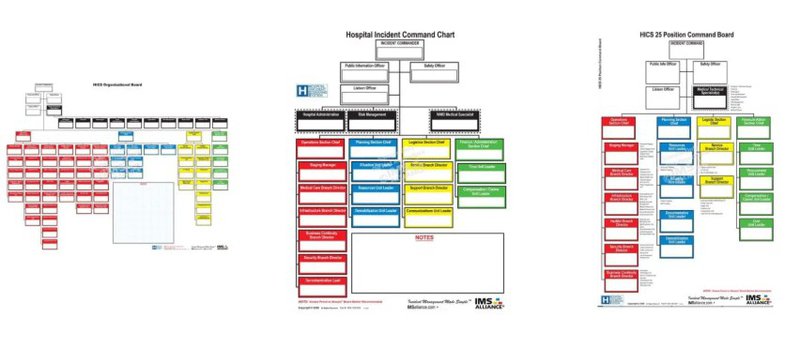
One of the most useful records a commander can bring to an AAR is the command board from the event. A board that stayed active during the incident shows sector work, resource deployment, and crew positions as they changed. That record shows reviewers what the command post knew at each point and whether that matched conditions on the ground.
When the board fell out of use during the event, the review had less to work with. For that reason, using the command board on every drill builds the habit and the paper record at the same time. Because the board creates a dated log automatically, it also gives the AAR a concrete starting point rather than relying on memory from everyone at the post.
Findings That Show Up Repeatedly
NIOSH line-of-duty death investigations identify the same tracking failures across many incidents.
- When entry control positions get abandoned mid-event, the board becomes unreliable.
- Also, when no PAR goes out after a MAYDAY, the IC has no confirmed count of who is inside.
- Finally, when mutual aid crews show up without passport tags, they fall outside the accountability system from the start.
Each of those patterns is preventable, and each drives a direct AAR finding that needs a specific owner and a deadline.
When a department finds a recurring gap in its AARs, a policy update alone will not close it. The crew needs a drill that puts the right tools in their hands and runs the exact step until it sticks. A crew that always skips the tag recovery step at rehab needs a drill that runs exactly that step, with the right gear, until it sticks.
Closing the Loop Between the AAR and the Next Drill
An after-action review that does not connect to the drill calendar has limited value. The most useful AARs feed directly into the next training cycle. When the AAR finds command board setup took twelve minutes, the next drill includes a timed setup exercise. When mutual aid integration became slow, the next joint drill added a make-up kit check-in step at staging. Together, those steps move the department from cataloging gaps to closing them.
Departments ready to strengthen the link between their AARs and their accountability tools should get in touch with us to learn more about command boards, passport systems, and training resources.


