


If your department has been running calls without a formal accountability system, you are not alone. Many departments, such as smaller or volunteer ones, have relied on informal methods for years: a mental head count, a radio check, or a supervisor who "just knows" where everyone is. Those methods work until they do not. And when they fail, they fail fast.
The good news is that standing up a real accountability system does not require a full rebuild of how your department operates. With the right tools, a clear process, and a short training window, most departments can be up and running within a single drill cycle.
Why an Accountability System Matters
At its core, an accountability system answers one question at any point in an incident: “Who is inside the hazard zone right now?”
That question sounds simple. On a working fire, an active shooter response, or a mass casualty incident, it is anything but. Crews move between sectors, mutual aid units arrive without warning, and radio traffic gets heavy fast. An informal count that worked on a routine call breaks down exactly when it matters most.
A structured accountability system, such as one built around physical tags, an entry control officer, and a command board, gives the incident command board a reliable answer without pulling anyone away from their assignment to find out. It also keeps the safety officer in the loop, supports a fast Personnel Accountability Report when conditions shift, and creates a record that holds up when digital tools go down.
Step 1: Audit What You Already Have
Before buying anything or changing any procedures, take stock of where your department stands. Ask:
- Do crews currently carry any form of identification that follows them to a scene?
- Is there a designated person who tracks who enters and exits the hazard zone?
- Does your department use Incident Command System (ICS) roles consistently, including a safety officer?
- Do mutual aid crews integrate into your command setup, or do they operate on their own?
Honest answers to those questions tell you exactly where the gaps are. Most departments without a formal accountability system find the same two problems: no physical tag tied to each responder, and no clear entry control process. Those are the two things to fix first.
Step 2: Choose the Right Accountability System
A Passport Accountability System® is the most widely used physical accountability tool in the fire service. It works inside the ICS framework and does not depend on radio contact, network access, or power. That matters in scenes where all three can fail at once.
The core setup includes:
- Passport® tags for each responder, showing name, department, and assignment
- Passport® collectors to group crews by apparatus or team
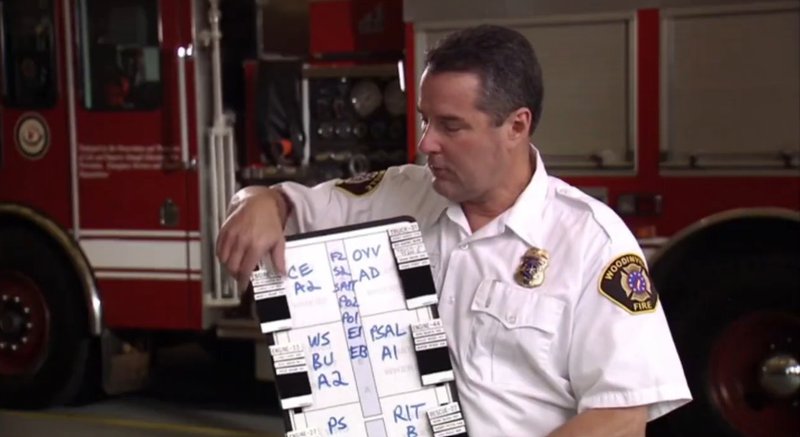
- An accountability board at the entry control point that reflects your ICS structure in real time
- IC vests so every command role is visible at a glance to any arriving crew
For departments starting from scratch, a standard kit covers the basics. For departments that regularly run mutual aid calls, make-up kits are worth adding early. When outside crews arrive without their own tags, make-up kits let them join the host system at check-in. This should happen before they go to work, not after.

Step 3: Assign the Entry Control Officer Role
The accountability system only works if someone owns it. The entry control officer, or ECO, is the person who takes passport® tags at the hazard zone boundary, keeps the board current, and supports the IC and safety officer during a Personnel Accountability Report.
This role needs to be assigned, not assumed. On a small call, it may fall to an officer who is already near the entry point. On a larger incident, it should be a dedicated position. Either way, the department needs to decide in advance who fills it and what their responsibilities are, so there is no confusion on scene.
Step 4: Train your Accountability System Before You Need It
The worst time to learn how a passport system® works is during a MAYDAY. Training does not need to be complicated, but it does need to happen before a real call.
A single drill that walks crews through check-in, entry control, and a mock PAR is enough to get most departments functional. After that, running the system on routine calls, even when it feels like overkill, builds the habit before high-pressure incidents test it.
For departments that run joint operations with other agencies, a shared drill is worth the coordination effort. Finding out that your mutual aid partner does not know your ICS setup during a table-top exercise is far better than finding it out on scene.
Step 5: Review and Adjust After Each Use
Once the system is running, debrief it after significant calls. Did the board stay current? Did the ECO have what they needed? Did mutual aid crews integrate cleanly? Small adjustments after real use improve the system faster than any classroom session.
Upgrading Your Accountability System
A strong accountability system is not a sign that a department is behind; it signals commitment toward crew safety. Getting there does not require a large budget or months of planning. It requires the right tools, a clear process, and the commitment to run it consistently from the first call forward.
If your department is ready to build out or upgrade its accountability setup, connect with the team at IMS Alliance® and set up the right kit for your call volume, your ICS structure, and the mutual aid agencies you work with most.


