
An RFP gives fire departments a structured way to buy equipment that fits real operational needs. A well-written request for proposal protects the budget, invites fair competition, and helps chiefs defend their purchasing choices. A weak one can leave crews with gear that looks fine on paper but falls short on scene.
Writing a strong document takes planning, input from the right people, and clear language. This guide walks through each stage of the process, so your next equipment procurement runs smoothly.
Why the RFP Matters for Fire Equipment Purchases
The RFP sets the tone for every vendor conversation that follows. It tells suppliers what problem you need to solve and how you plan to judge their answers. When those expectations are vague, proposals arrive in every shape and size, and comparing them becomes guesswork.
A clear document also builds trust with councils, boards, and taxpayers. Decision makers want proof that public money went toward the best overall value. A transparent process gives them that proof and gives your department a record to stand behind.

Start With Operational Needs, Not Product Brochures
Before anyone writes a single specification, gather the people who will use the equipment. Company officers, safety officers, and training staff often spot gaps that administrators miss. Ask them what slows them down on scene and what has failed in the past.
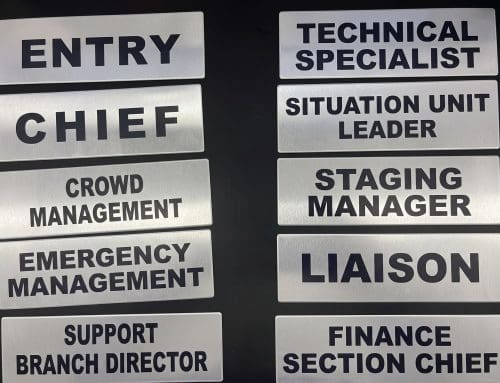
Turn those conversations into plain needs statements. A department replacing its incident command boards might note that boards must stay readable in rain and fit a specific compartment. It might also require layouts that match local ICS roles. Each of these points will later shape your RFP requirements.
Review after-action reports and maintenance logs too. These records reveal how current gear performs under stress and where it wears out first.
Writing Specifications That Invite Fair Competition
Good specifications describe performance rather than a single brand. Overly narrow language can shut out qualified vendors and may conflict with grant rules. A performance-based RFP explains what the equipment must do, how long it must last, and which standards it must meet.
Departments using federal funds should pay close attention here. The federal procurement methods rule in 2 CFR 200.320 generally calls for formal methods above the simplified acquisition threshold. Under that rule, proposals must come from multiple qualified sources. Check with your grants coordinator or legal counsel to confirm which state and local rules also apply.
Where a brand name helps describe the need, many agencies add "or approved equal" language. This keeps the door open while still giving vendors a clear reference point.
What to Include in a Fire Department RFP
A complete document answers vendor questions before they come up. That saves time for everyone and leads to proposals you can compare side by side. Most effective documents include the following sections:
- Background and scope: A short description of your department, service area, and the purpose of the purchase.
- Technical requirements: Performance needs, applicable standards, quantities, and any customization details.
- Delivery and support terms: Expected timelines, training, warranty coverage, and replacement part availability.
- Evaluation criteria: The factors you will score and how much weight each one carries.
- Submission instructions: Deadlines, required forms, a contact person, and the format for questions.
Every RFP section should connect back to the needs your crews identified earlier. If a requirement does not serve an operational purpose, consider removing it. Shorter, focused documents tend to draw stronger responses.
Evaluating Vendor Proposals Beyond Price
Price matters, but it rarely tells the full story. Durability, lead time, customer service, and a vendor's track record with fire agencies all affect long-term value. List these factors in the RFP so vendors know exactly how you will judge them.
Use a scoring sheet and a small panel of evaluators. Each person should score proposals independently before the group meets to discuss results. This approach reduces bias and creates a clean paper trail.
Consider asking finalists for product samples as well. Seeing how standard kits or command vests hold up during hands-on testing can reveal differences that a written proposal hides.
Common Mistakes That Weaken the Process
Even experienced departments run into avoidable problems. Rushed timelines often leave vendors too little time to prepare quality responses. Unclear answers to bidder questions can also create confusion, so share every clarification with all bidders at once.
Another frequent issue is copying an old RFP without updating it. Equipment, standards, and department needs change over time. Treat each new document as a fresh look at what your crews require today.

Planning Accountability Equipment in Your Next RFP
Accountability tools deserve special attention because they protect firefighters directly. When writing an RFP for these systems, describe how your department tracks crews and how tags move between apparatus and command. Explain how mutual aid partners will fit into the process too. Details like tag material, color coding, and engraving options belong in the technical section.
The Passport Accountability System® is one example of a solution that departments can tailor to their own rosters and procedures. Clear specifications help any vendor understand how much customization you need. They also make it easier to compare how each proposal supports your accountability goals.
Moving Forward With Confidence
A thoughtful RFP turns equipment buying into a strategic decision rather than a last-minute scramble. It brings crews into the process, keeps vendors on equal footing, and leaves a record that leadership can trust.
Since 2006, IMS Alliance® has built incident management tools for fire, EMS, law enforcement, and emergency management agencies across the country. The company is veteran-owned and operated and holds the trademark on the Passport Accountability System®. That background gives the team a practical understanding of how accountability and command needs translate into clear, workable specifications.
If your department is preparing its next equipment request, the IMS Alliance® team would be glad to talk through your goals and answer any questions along the way.