


Reliable first responder tools can turn a chaotic roadside emergency into a controlled, efficient rescue. Among the small pieces of gear that make a genuine difference, the Bison River rescue knife has become a favorite for firefighters, EMS crews, and law enforcement officers who need a compact tool they can trust when seconds count. This overview looks at what the knife offers, why it belongs in a rescue kit, and how it fits into the bigger picture of equipping a crew for real-world emergencies.
Why Rescue Knives Belong Among First Responder Tools
Vehicle crashes, water rescues, and confined-space calls all share one thing in common: victims are often trapped by something as simple as a jammed seatbelt or a shattered window frame. A dedicated rescue knife solves both problems in one motion. Unlike a standard folding knife, a rescue knife is purpose-built with a partially serrated blade for slicing through webbing, a seatbelt cutter, and a glass breaker tip housed in the handle.
According to a federal evaluation of extrication equipment conducted for the Department of Homeland Security, responders consistently prioritize tool features that hold up during rollover collisions and other complex extrications, including startup time, ergonomics, and compatibility with turnout gear. A well-designed rescue knife checks those same boxes on a smaller scale, giving crews a fast, low-profile option before heavier hydraulic tools ever get staged.

What Makes the Bison River Rescue Knife Stand Out
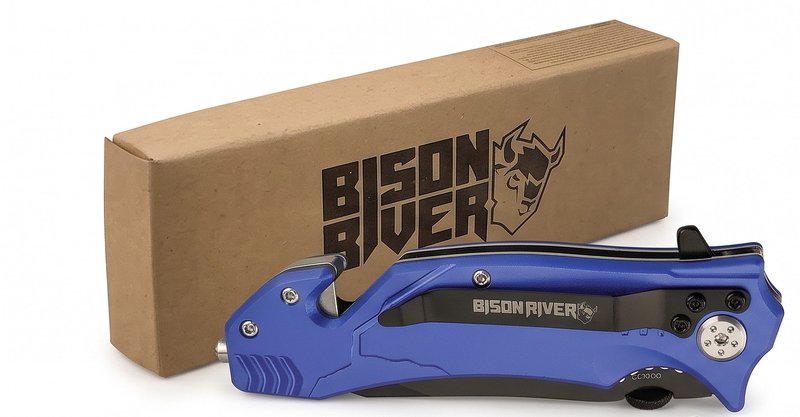
The Bison River 4 1/2" Rescue Knife pairs a spring-assisted stainless steel blade with a pocket clip, making everyday carrying convenient for responders. Personnel can carry it on a duty belt, inside a turnout coat pocket, or securely clipped within a glove box. The blade opens with one hand, which matters when the other hand braces a patient or holds a flashlight. Departments can choose aluminum handles in several colors or select a wood-grain option for a more traditional appearance. Many agencies personalize the blade or handle with a station name or crest for team gear and recognition awards alike.
Because the knife ships in a branded gift box, it also works well for recruit graduations, retirement tokens, or safety program incentives. That dual purpose, combining a functional tool with a meaningful keepsake, helps explain its popularity among fire service organizations. It frequently appears in fire service gift shops alongside more traditional command equipment and other recognition items.
Built-In Features Firefighters and EMS Crews Rely On
Three features do the heavy lifting on this knife:
- Partially serrated blade for quick cuts through rope, cordage, or heavy fabric.
- Seatbelt cutter built into the handle, so crews never fumble for a second tool during extrication.
- Glass breaker tip for controlled window access when a door won't open.
Guidance from rescue-tool standards echoes this layout. NFPA 1936, the governing standard for rescue tools, sets performance and safety benchmarks that shape how manufacturers design cutting edges to minimize risk to trapped patients during extrication. The Bison River knife's recessed cutter reflects that same guarded-cutting-path principle, keeping the blade controlled even in tight quarters.
Choosing the Right First Responder Tools for Your Department
Every department handles a unique mix of calls, so gear selection should reflect actual response patterns instead of generic checklists. Departments responding to frequent vehicle extrications often pair a rescue knife with heavier tools stored on the apparatus. Meanwhile, EMS-focused units may prioritize the knife as a standalone tool carried inside a jump bag. Wildland and USAR teams sometimes carry it specifically for its rope-cutting serration.
Budget matters too. A rescue knife costs a fraction of hydraulic spreaders or powered cutters. This makes it an accessible addition for smaller volunteer departments building go-bags or standard kits without major capital expenses. Pairing a low-cost, high-utility tool with existing accountability and command systems keeps department kits practical and complete.
Where the Bison River Knife Fits on Your Rig
A rescue knife works best as part of a broader accountability and preparedness setup, not as an isolated purchase. Many departments outfit each rig with a knife clipped near the driver's seat, a set of Passport Accountability System® tags, and a command board. The knife supports immediate rescue tasks, while the tags help track personnel on scene. Meanwhile, the command board gives the incident commander a clear overview of operations. Together, these tools support both physical rescue work and operational oversight once additional help arrives.
IMS Alliance is the trademark holder of the Passport Accountability System® and operates as a veteran-owned company. The company builds mission-driven incident management tools for fire, law enforcement, and military teams across the country. The Bison River rescue knife complements that lineup as a practical, everyday tool. It reflects the same standard: dependable gear that works when it matters most.
If your department is looking to round out its rescue kit or accountability setup, contact the IMS Alliance team today. We're happy to help you find the right combination of tools for your crew.


