


A strong after-action review turns a chaotic day into a roadmap for doing better next time. For agencies that handle active shooter events and mass casualty incidents, this process is not optional paperwork. It is the mechanism that catches gaps in unified command, communication, and resource staging before those gaps cost lives in the next event.
Why the After-Action Review Matters So Much in These Incidents
Active shooter response and MCI response share a brutal trait: everything happens fast, under pressure, with multiple agencies converging on one scene. Law enforcement, fire, EMS, dispatch, and hospitals all move at once, often without having trained together recently. A careful after-action review is the only reliable way to reconstruct that timeline afterward and figure out what actually worked.
Real-world reports back this up. For example, federal guidance from the U.S. Fire Administration on active shooter and mass casualty incidents notes that these events often exceed the typical training and hands-on experience most firefighters and EMTs bring to the job. As a result, the after-action process must examine training gaps alongside tactical missteps. Moreover, these findings rarely surface without a structured review designed specifically for high-stakes incidents.

Core Components of a Strong After-Action Review (AAR) Process
An effective after-action review for an active shooter or MCI response should include a few non-negotiable elements.
- A verified, minute-by-minute timeline. Pull data from dispatch logs, radio traffic, body cameras, and hospital intake to build a factual sequence of events. Assumptions and memory alone will not hold up.
- Unified command evaluation. Did law enforcement, fire, and EMS establish a single incident command structure, or did agencies operate in silos? This is consistently one of the biggest failure points in real incidents, and it deserves its own dedicated section in the review.
- Resource and triage assessment. How quickly were casualty collection points established? Did trauma supplies run out? Were ingress and egress routes kept clear for transport? These details shape recommendations for the next response.
- Communication interoperability. Cross-agency radio compatibility and shared terminology are frequent weak points. The AAR should document exactly where communication broke down and who was affected.
- Actionable, assigned recommendations. Every observation needs a paired recommendation with an owner and a deadline. A review that lists problems without assigning fixes will not change anything.
Turning After-Action Review Findings Into Standards, Not Just a Report
The real value of an after-action review comes after it's written. Agencies that treat the AAR as a living document, one that feeds directly into training curricula, mutual aid agreements, and equipment procurement, see measurable improvement in their next response. Agencies that file the report and move on tend to repeat the same mistakes.
This is where a structured incident management framework makes a real difference. When after-action findings connect directly to accountability systems, resource tracking, and command structures used in daily operations, lessons learned stop being theoretical and start showing up in muscle memory during the next incident.
Consistency matters just as much as content. An AAR process should follow the same format and rubric every time, whether the incident was a tabletop exercise or an actual mass casualty event. That consistency lets agencies compare performance across incidents and actually track whether their training and preparedness investments are paying off.
Building AAR Standards Into Daily Operations
The agencies that perform best under pressure practice their after-action process on smaller incidents. Rather than reserving the process for catastrophic events, they review routine multi-agency calls to build familiarity before a major incident occurs. As a result, these reviews keep the after-action process sharp. Additionally, lower-stakes incidents give command staff opportunities to test accountability and resource tracking tools. In turn, they can confirm whether those tools capture the data needed for a thorough review.
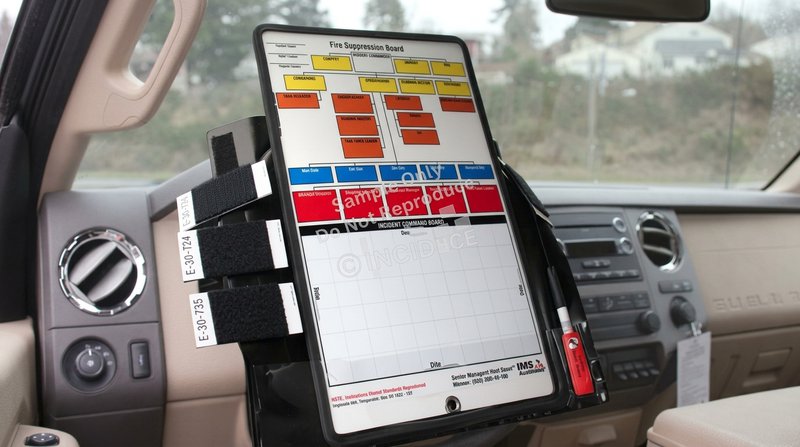
Pairing routine AAR practice with a personnel accountability system closes a common gap for reviewers. It shows exactly who was on scene, where they were, and when. Without that data, reconstructing the timeline can become guesswork.
IMS Alliance is the trademark holder of the Passport Accountability System®, a personnel accountability and resource tracking tool. The system gives incident commanders reliable, real-time information during active shooter and mass casualty responses. Veteran-owned and operated, IMS Alliance builds tools that help first responders account for everyone on scene. These tools also support stronger after-action reviews once the incident ends.
If your agency is ready to strengthen how it tracks personnel and resources during high-stakes incidents, reach out to the IMS Alliance team. We would be glad to talk through how the Passport Accountability System® can support your after-action review process from the very first minute of response.


