

Refinery ICS gives industrial fire brigades a shared structure for managing emergencies inside some of the most complex facilities in the country. Pressurized vessels, flammable inventories, and miles of piping leave little room for improvised command. A clear system helps every responder know their role before the first alarm sounds.
Safety planning and command structure work best when they grow together. Brigades that plan with incident command in mind respond faster, communicate better, and bring everyone home. This guide walks through the planning, roles, and accountability practices that make refinery response safer.
How Refinery ICS Differs From Municipal Fire Command
Municipal departments often respond to buildings they have never seen before. Industrial fire brigades work the other way around. They know the process units, tank farms, and shutdown procedures because they live with them every day. Refinery ICS builds on that local knowledge while keeping the same National Incident Management System (NIMS) framework that outside agencies use.
That shared framework matters because refinery incidents rarely stay small. A single unit fire can quickly involve operations staff, environmental teams, plant security, and neighboring departments. When everyone speaks the same command language, handoffs stay clean, and decisions stay coordinated. It also keeps the industrial brigade in a leadership role, since its members understand the site better than anyone arriving from outside.

Building a Safety Plan Before the Alarm Sounds
Strong pre-incident planning starts with a hazard inventory. Brigades should map process units, chemical storage, water supply points, and isolation valves across the site. Each pre-plan should also identify staging areas, access routes, and likely exposure zones. Folding this information into refinery ICS planning helps the incident commander make faster, safer calls.
Federal rules also shape how brigades organize. OSHA's fire brigade standard (29 CFR 1910.156) covers organization, training, and protective equipment for industrial fire departments. Many sites build their written organizational statement directly into the facility emergency plan.
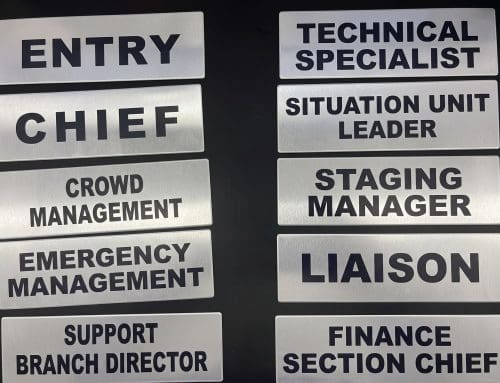
Visual tools turn these plans into something crews can use under stress. A well-designed incident command board gives the command post a single place to track assignments, resources, and objectives as conditions change. Pre-printed layouts that match your site also save precious minutes during setup.
Key Roles in a Refinery Command Structure
Refinery ICS works because each position has a defined purpose. A typical industrial incident fills several core roles early in the response:
- Incident Commander: Sets objectives, approves the action plan, and holds overall authority for the scene.
- Safety Officer: Monitors hazards such as vapor clouds, hot surfaces, and structural instability.
- Operations Section Chief: Directs suppression, cooling, and rescue crews working on the fireground.
- Plant Operations Liaison: Connects command with control room staff who manage isolation and shutdown.
- Planning and Logistics Leads: Track resources, foam supplies, and the incident timeline.
These roles only work when responders can tell who is who at a glance. High-visibility incident command vests help mutual aid crews and plant staff find the right leader quickly, even in heavy smoke or low light.
Using Refinery ICS to Coordinate Mutual Aid and Plant Teams
Large refinery fires often exceed what a single brigade can handle alone. Mutual aid agreements with municipal departments and neighboring industrial sites add foam capacity, apparatus, and personnel. Refinery ICS provides the structure to fold those resources into the response without confusion.
Coordination with plant operations is just as important. Control room operators may need to isolate feeds, depressurize units, or reroute product while crews attack the fire. OSHA's Process Safety Management standard (29 CFR 1910.119) requires covered facilities to maintain an emergency action plan. That plan gives brigades a natural link between process safety and command. Unified command often works well here, with fire and operations leaders sharing decisions at the command post.
Accountability Across a Large Industrial Site
Refinery ICS depends on knowing exactly who is working where. Refineries cover large footprints, and crews may operate at separate units hundreds of yards apart. Without a reliable tracking method, a missing responder could go unnoticed for critical minutes.
A tag-based approach keeps accountability simple and portable. The Passport Accountability System® uses passport® collectors and name tags that crews hand off at each assignment point. Accountability officers can then confirm crew locations, run personnel accountability reports, and update command in real time. Because the system requires no batteries or signal coverage, it keeps working when radios struggle around steel structures.
Refinery ICS Training That Holds Up Under Real Conditions
Plans only matter if crews can carry them out under pressure. Regular drills should test refinery ICS roles, mutual aid integration, and accountability procedures together. Tabletop exercises help leaders rehearse decisions, while live-fire training builds hands-on confidence. After each drill, a short after-action review captures gaps and turns lessons into updated pre-plans.
It also helps to train alongside the partners you will actually see on a bad day. Inviting mutual aid companies and control room staff to joint exercises builds familiarity with your site and your command structure. Those relationships pay off when a real incident unfolds at three in the morning.

Supporting Safer Industrial Response
Every refinery has its own layout, hazards, and operating culture. Effective refinery ICS reflects those details while staying aligned with the national framework that partners already know. Brigades that invest in planning, clear roles, and dependable accountability give their responders the best possible footing.
As a veteran-owned and operated company, IMS Alliance® designs incident management tools around the realities responders face on scene. The company holds the trademark on the Passport Accountability System® and offers customizable command boards, vests, and accountability gear for industrial brigades and municipal departments alike. If your brigade is fine-tuning its command setup or safety plan, the IMS Alliance® team would be glad to talk through what fits your site.