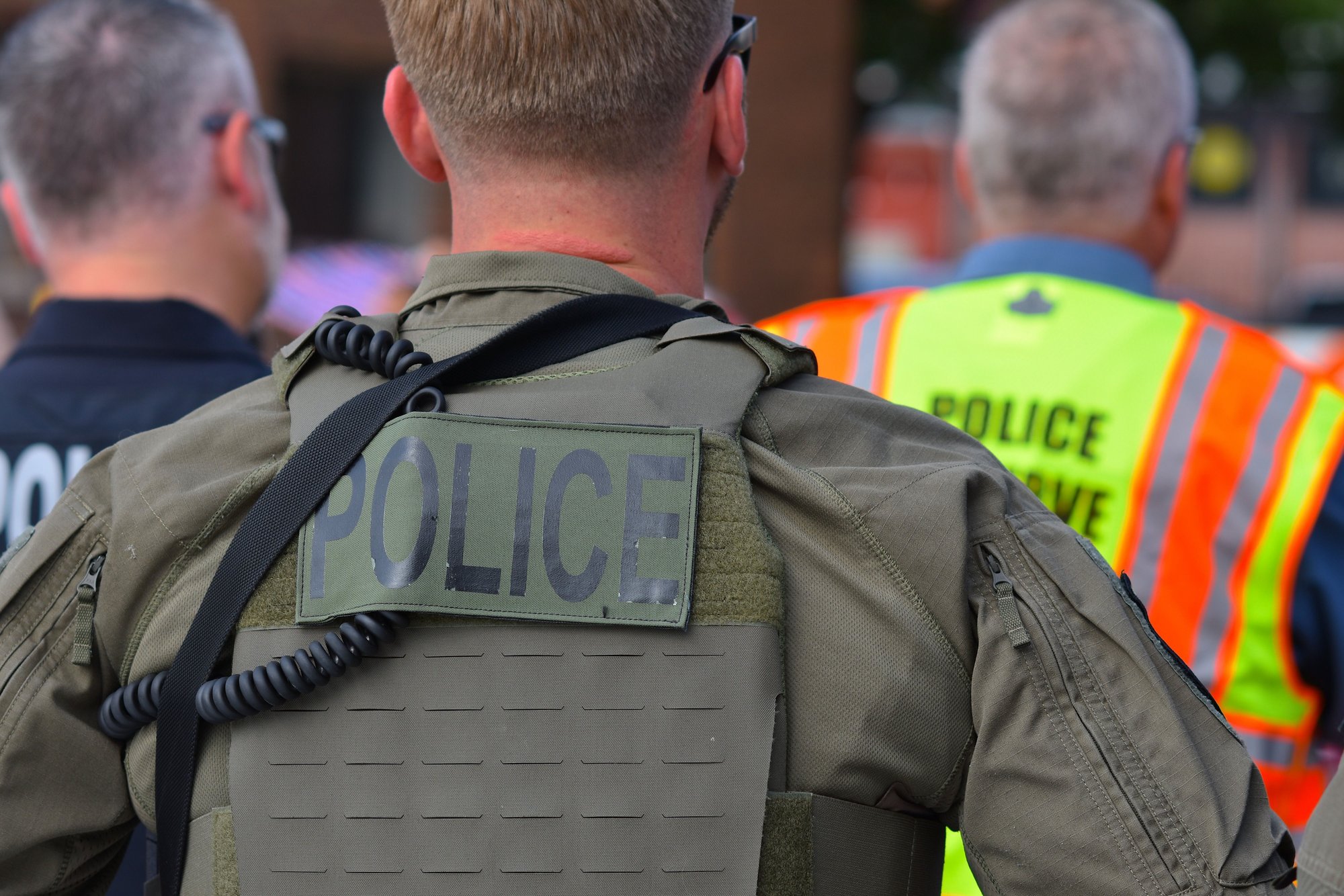
Active shooter drill planning now sits near the top of many fire and EMS training calendars. These events unfold fast, and crews often work beside law enforcement in places they rarely train. A drill built around fire and EMS roles helps teams act with confidence when the call comes.
Many departments still treat hostile event training as a police exercise with medics waiting at the edge. That approach leaves gaps in command, communication, and crew tracking. The steps below show how to design a drill that reflects what your teams will actually face.
Why Fire and EMS Teams Need Their Own Active Shooter Drill
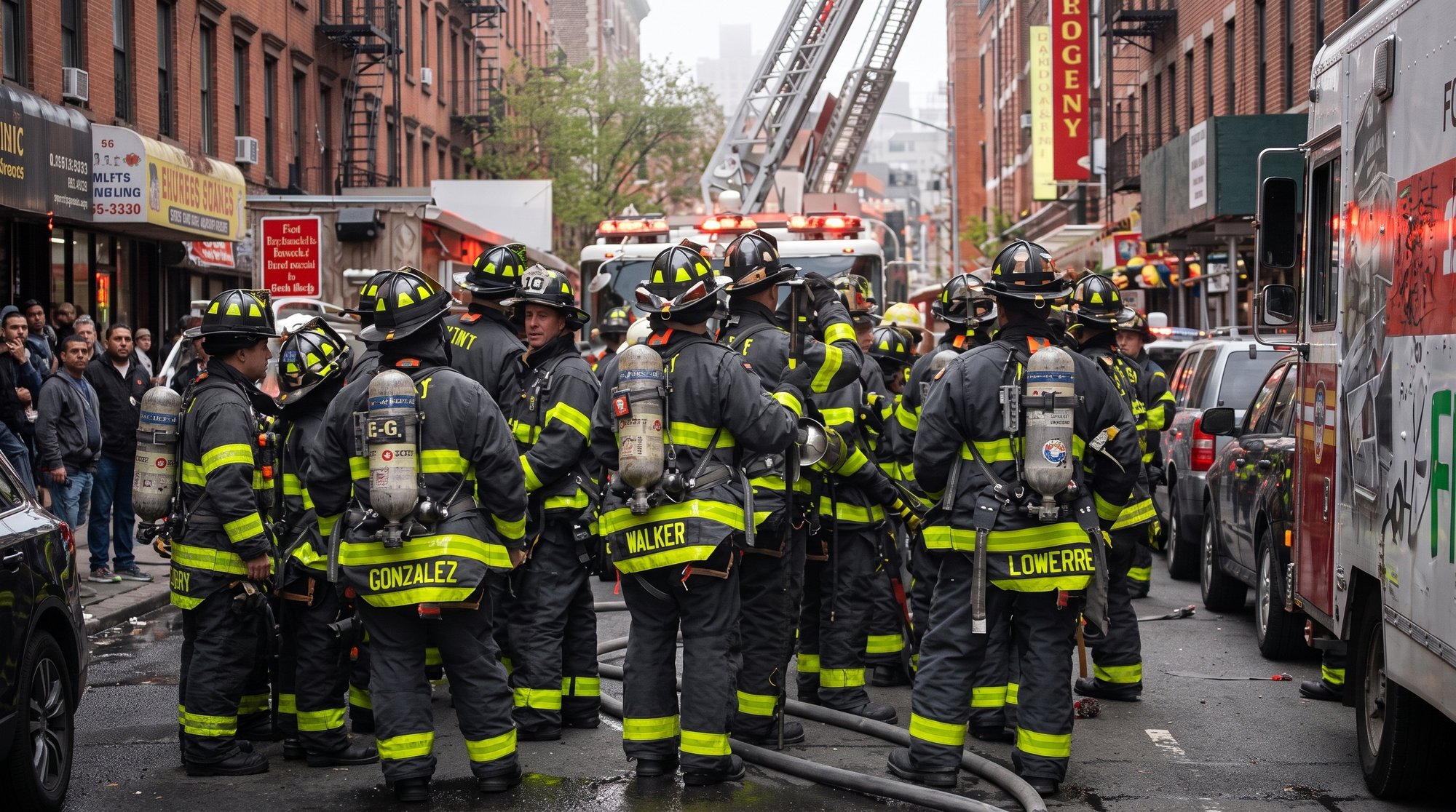
Fire and EMS crews bring different priorities to a hostile event than law enforcement does. Officers focus on stopping the threat, while your teams focus on reaching patients and moving them to care. Both missions run at the same time, often inside the same building. A joint exercise still matters, but each discipline needs room to test its own tasks.
A well-designed active shooter drill gives your crews that room. It lets company officers practice decisions they never face on a structure fire. It also exposes weak spots in radio traffic, staging, and patient flow before a real incident does. Those lessons cost far less to learn in training than on scene.

Set Clear Objectives Before Writing the Active Shooter Drill Scenario
Every strong exercise starts with a short list of measurable objectives. Pick three to five outcomes you want to test, such as establishing unified command within a set time. Others might cover rescue task force deployment, casualty collection point setup, or hospital notification. Clear objectives keep the scenario focused and make evaluation far easier.
FEMA's Homeland Security Exercise and Evaluation Program offers a proven framework for this planning. It favors a progressive approach that moves from discussion-based sessions to hands-on operations. For an active shooter drill, that might mean a tabletop session first, then a functional exercise, then a full-scale event. Each step builds skill and trust before the next one raises the stakes.
Build the Scenario Around Unified Command
Fire, EMS, and law enforcement should run a hostile event from a single command post. The U.S. Fire Administration makes this point in its operational guide for active shooter and mass casualty incidents. The guide calls for joint planning and training among all public safety partners. Your scenario should push leaders from each agency to share information and decide together.
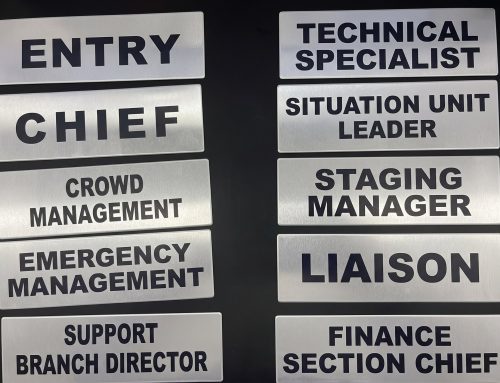
Visual tools help that shared picture stay accurate. A dedicated active shooter and hostile event response board lets commanders track zones, teams, and resources at a glance. Use the same board in every active shooter drill so commanders learn its layout by heart.
Add injects that stretch the command structure. A report of a second shooter, a shift in zone boundaries, or a media request can test how well leaders adapt. Keep a controller nearby to release each inject at the right moment.
Train Rescue Task Force Operations in the Warm Zone
Rescue task force (RTF) operations often sit at the heart of the fire and EMS role. An RTF pairs medical providers with armed officers who escort them into areas police have cleared but not fully secured. Your active shooter drill should let crews rehearse these movements under realistic pressure. Focus on a few core skills during each run:
- Forming teams quickly and confirming who leads each element.
- Applying tactical emergency casualty care, including tourniquets and wound packing.
- Moving patients to a casualty collection point along a planned route.
- Reporting patient counts back to command in a consistent format.
Keep early rounds slow and deliberate, then add speed once crews master the basics. Realistic role players and moulage make the scenario feel urgent without adding real risk. Short resets between runs give evaluators time to capture what they saw.
Make Personnel Accountability Part of Every Active Shooter Drill
Crew tracking gets harder when teams move through hallways, stairwells, and separate zones. One RTF may enter a building while another crew stages outside, and command must know where each person is. Accountability gaps in training usually mirror the gaps that appear on a real call. Treat crew tracking as a scored objective, not an afterthought.
A tag-based method such as the Passport Accountability System® gives officers a simple way to log who enters and exits each zone. Crews turn in their passport® at the entry point, and the accountability officer updates the board in real time. Call for a personnel accountability report at set intervals during the active shooter drill. Every missed name or late count becomes a training point for the next round.

Debrief Honestly and Plan the Next Round
The learning value of any exercise depends on the debrief that follows. Hold a short hot wash right after the event while details are fresh. Follow it with a formal after-action report that lists strengths, gaps, and corrective actions. Assign each corrective action to an owner with a target date.
Then schedule the next active shooter drill before momentum fades. Rotate roles so more officers gain command experience. Bring in schools, hospitals, or venue managers as your program matures. Over time, these partners become familiar faces rather than strangers on scene.
Building a Stronger Hostile Event Response
A strong active shooter drill program grows over time, not in a single afternoon. Clear objectives, joint command, RTF practice, and tight accountability turn a stressful scenario into real learning. Each round makes your teams faster, calmer, and better coordinated.
Veteran-owned and focused on practical incident management, IMS Alliance® holds the trademark on the Passport Accountability System®. The company also builds command boards, vests, and helmet shields for fire, EMS, and law enforcement. Its team offers in-person training that helps crews put these tools to work. Planning your next exercise? Connect with the IMS Alliance® team, and we'll gladly talk through a setup that fits your department.