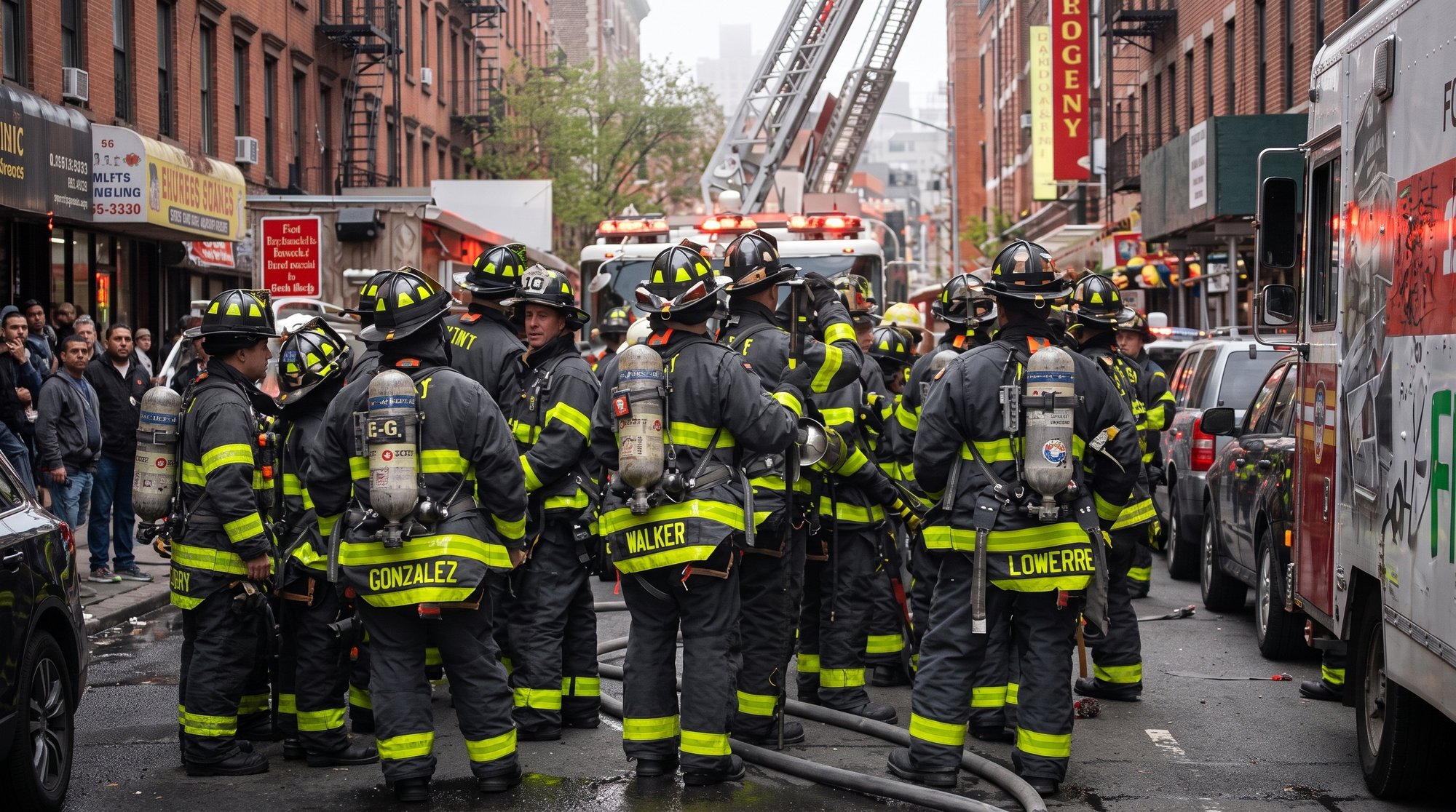
Active incidents test every system a department relies on, and accountability is often the first to show strain. A roll call sounds simple on a quiet training ground. On a working structure fire with crews rotating in and out, it becomes far harder to trust.
Many departments still lean on verbal roll calls as their main accountability tool. This article looks at where that method falls short and why physical tags give command a steadier picture of who is on scene. It also covers how departments can make the switch without losing what roll call does well.
What Roll Call Was Built to Do
Roll call has deep roots in the fire service, and it earned that place for good reason. It costs nothing, needs no special gear, and every firefighter knows how it works. An officer reads names or unit designations, and each person answers. In a station or at the start of a shift, this works well. Everyone stands close, the room is quiet, and nobody is talking through an SCBA facepiece.

The method was never designed for the noise and motion of active incidents. It assumes clear radio traffic, stable crew assignments, and an officer with time to listen. Those conditions rarely exist once fire attack begins.
Why Roll Call Struggles During Active Incidents
Radio channels fill up fast during active incidents, especially once crews commit to the interior. A personnel accountability report (PAR) over the air competes with tactical traffic, emergency messages, and fireground noise. Each company officer must stop, check the crew, and key up. Meanwhile, the incident commander tries to match every answer against a mental list.
Roll call also has a timing problem. It tells you who answered at one moment, not who is where right now. One NIOSH line-of-duty death investigation describes crews calling a PAR right after an evacuation and only then discovering that a firefighter was missing. By that point, the window for a quick rescue may already be closing.
Memory adds another weak link. Under stress, officers can confuse similar names or miss a crew that self-assigned. They might also assume a firefighter is safe after hearing a familiar voice on the radio.
How the Passport Accountability System® Works on Scene
The Passport Accountability System® takes a different approach. Instead of relying on voices, it relies on physical tags that move with personnel. Each firefighter carries a name tag, and those tags attach to a Passport® that represents the crew or apparatus.
Here is how the process typically flows at active incidents:
- Crews hand their Passport Collector® to the accountability officer or incident commander before entering a hazard zone.
- Command places the Passport Collector® on a status board that shows each crew’s assignment and location.
- When a crew moves to a new division or task, the officer moves the Passport Collector® to match.
- Crews retrieve their Passport® tag only after they exit the hazard zone and report to command.
This simple loop keeps the record outside anyone’s memory. Departments can also tailor Passport® accountability tools to fit their apparatus and crew sizes.
Tags also help when outside agencies arrive. Mutual aid crews can check in with their own tags, so command sees them alongside home units. Nobody has to learn a new department’s radio habits to stay on the board.
Real-Time Visibility Versus a Snapshot in Time
The biggest advantage of tags is continuity. A roll call captures one moment and then fades. A Passport® board stays current as long as crews move their tags, which gives command a living view of active incidents.
This matters most when conditions change suddenly. If a collapse or flashover hits, the incident commander can check the board and see which crews were working in that area. Rescue efforts can then start with names and locations instead of guesses. The board also smooths command transfers, since an incoming officer inherits a clear record rather than scattered radio notes.
NIOSH has long treated scene accountability as a core firefighter safety measure. Its guidance on preventing firefighter injuries and deaths names accountability at the fire scene as one of four essential protections. Tag-based tracking turns that principle into a routine crews can follow without adding radio traffic.
Making Passport Accountability Work at Active Incidents
Any system only works if crews use it every time. Departments that see the best results treat tag-based accountability as a habit, not a special procedure for big fires. Using tags on routine calls builds the muscle memory crews need at active incidents.

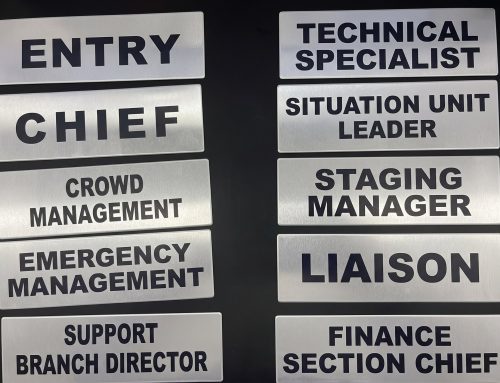
Command setup plays a role too. Mounting each Passport Collector® on incident command boards built for accountability gives the commander a fixed spot to track companies, divisions, and groups. A clear layout cuts down on hunting for tags when the pace picks up.
Roll call still has value as a cross-check. Many departments pair a quick PAR with the board to confirm what the tags show. Drills can even include a surprise PAR so crews see how fast the board answers questions that radio checks cannot. Short reviews after each call help too, since officers can spot where tags lagged behind crew movement.
Building an Accountability Culture That Lasts
Moving from roll call to tags is less about equipment and more about trust. Firefighters need confidence that someone always knows where they are, especially during active incidents. That confidence grows when the system stays visible, simple, and consistent from one call to the next. It also gives newer members a clear, repeatable role from the moment they arrive.
That balance sits at the center of the work at IMS Alliance®, the veteran-owned trademark holder of the Passport Accountability System®. The team designs incident management tools around how responders actually work, and many departments strengthen their programs through hands-on accountability training alongside the gear. If your crews are ready to move beyond roll call, the IMS Alliance® team would love to hear about your department and help you map out a setup that fits.