A vendor proposal tells a fire department far more than what a product will cost on day one. It reveals how a company builds its gear, supports its customers, and stands behind its work when conditions get tough.
Price will always matter, especially for departments working with tight budgets and grant deadlines. Still, the chiefs and purchasing officers who get the most from their equipment dollars look past the bottom line and weigh the full picture.
Why the Lowest Bid Is Rarely the Best Value
A low price can look like a win during a budget meeting. However, fire department equipment that fails early, arrives late, or confuses crews on scene ends up costing far more over time. Replacement orders, extra training hours, and operational gaps all add hidden expenses.
Smart departments treat every vendor proposal as a long-term partnership decision. They ask how the product will hold up after years of rain, heat, and daily handling. They also consider what happens when something breaks at 2 a.m., and the crew needs answers fast.
This mindset shifts the conversation from cost to value. A slightly higher price often buys better materials, faster support, and fewer headaches down the road. Total cost of ownership, including upkeep, replacement parts, and service life, gives decision-makers a more accurate comparison.

Building Scoring Criteria Into Every Vendor Proposal Review
A clear scoring system keeps bid evaluation fair, consistent, and defensible. Before opening a single response to an RFP, many departments define what matters most and assign weight to each factor. This step protects the process from personal preference and makes the final choice easier to explain to elected officials.
Federal rules support this approach for purchases made with grant funds. Under the Uniform Guidance at 2 CFR 200.320, requests for proposals must spell out evaluation factors and their relative importance. Awards then go to the most advantageous vendor proposal, with price and other factors considered together.
Common scoring categories include product quality, compliance with standards, vendor experience, references, delivery timelines, and total cost of ownership. Weighting these factors ahead of time helps the review committee stay focused on mission needs rather than sticker price alone.
Looking Closely at Durability and Field Performance
Fire service equipment works in some of the harshest conditions imaginable. Boards, vests, and tags face water, smoke, heat, and constant handling. A strong vendor proposal should explain the materials, construction methods, and testing behind each item.
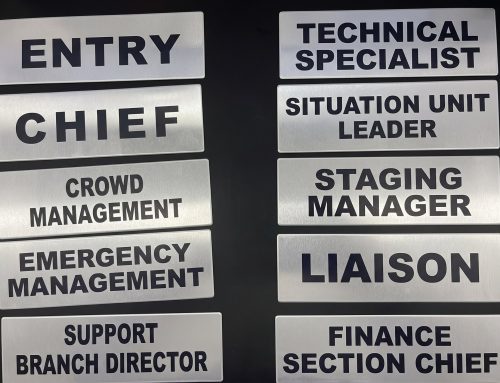
Departments can request samples and put them through realistic use before committing. For example, crews might mark up and wipe down incident command boards during a training evolution to see how they perform. Feedback from the people who will actually use the gear often reveals issues that spec sheets miss.
Reference checks matter here too. Talking with peer departments about how a product has held up after several years offers valuable insight into real-world reliability.
Warranty terms deserve a close read as well. A vendor that clearly explains coverage, repair options, and replacement timelines shows confidence in its own products. Vague or missing warranty language can signal future frustration.
Weighing Customization, Lead Times, and Support
Every department runs a little differently, so off-the-shelf solutions do not always fit. The best vendors adapt their products to local procedures, staffing models, and incident types. When reviewing a vendor proposal, evaluators often ask about:
- Customization options for layouts, colors, labels, and department branding
- Typical lead times for standard and custom orders
- Replacement part availability and reorder processes
- Training resources that help crews adopt new equipment quickly
- Responsiveness of customer service when questions come up
These details shape how smoothly new equipment moves from the box to the fireground. A vendor that offers in-person training or clear guidance can shorten the learning curve and build crew confidence sooner.

Evaluating a Vendor Proposal for Accountability Equipment
Accountability tools deserve extra scrutiny because they directly affect firefighter safety. A reliable system must work the same way every time, across shifts, stations, and mutual aid partners. Any vendor proposal in this category should show how the system supports NIMS-aligned practices and fits existing command workflows.
Evaluators should also look at scalability. A department may start with a few engines and later expand to include volunteers, specialty teams, or neighboring agencies. Tag durability, reorder simplicity, and compatibility with helmets and apparatus all play a role. Growth should never force a department to start over with a brand-new system.
The Passport Accountability System® offers a useful benchmark here, since its tags, collectors, and status boards work together as one unified system. Comparing offers against an established standard helps departments spot gaps in less complete packages.
Making the Final Decision With Confidence
A thoughtful vendor proposal review balances cost with quality, support, and long-term value. Departments that document their scoring and gather input from frontline users make stronger choices. They also build a record that holds up well during audits and budget reviews.
Some departments run a short pilot before committing to a full purchase. Placing new gear on one or two apparatus for a few months lets crews test it on real calls. Their honest feedback then becomes part of the official record.
IMS Alliance® understands this process from the same side of the table as the departments it serves. As a veteran-owned and operated company and the trademark holder of the Passport Accountability System®, the team has equipped responders with made-in-America incident management tools since 2006. That background shapes a mission focused on helping crews operate safely and return home after every shift.
If your department is preparing its next equipment request, connect with us today. The IMS Alliance® team would be glad to talk through your needs and help you compare options with confidence.