


Fireground accountability only works when the tools behind it are ready the moment crews arrive. A cracked helmet shield, a faded name tag, or a missing collector can slow down a personnel accountability report (PAR). Those delays matter most when every second counts.
Many departments invest in a solid system, then let the materials age quietly on the apparatus. The good news is that a few simple habits keep everything readable, complete, and dependable.
Why Fireground Accountability Materials Wear Out
Accountability gear lives a tough life. Tags ride in turnout pockets, boards bounce around in compartments, and shields face heat, water, and grime on every call. Over time, these conditions take a toll on fireground accountability. Labels fade, magnets weaken, and grease pencil marks leave ghost images behind. Small problems like these rarely look urgent until an incident commander struggles to read a board under pressure.
Personnel also change faster than equipment does. New hires join, members are promoted, and some leave the department entirely. Without regular updates, your tags and boards start to describe a roster that no longer exists.
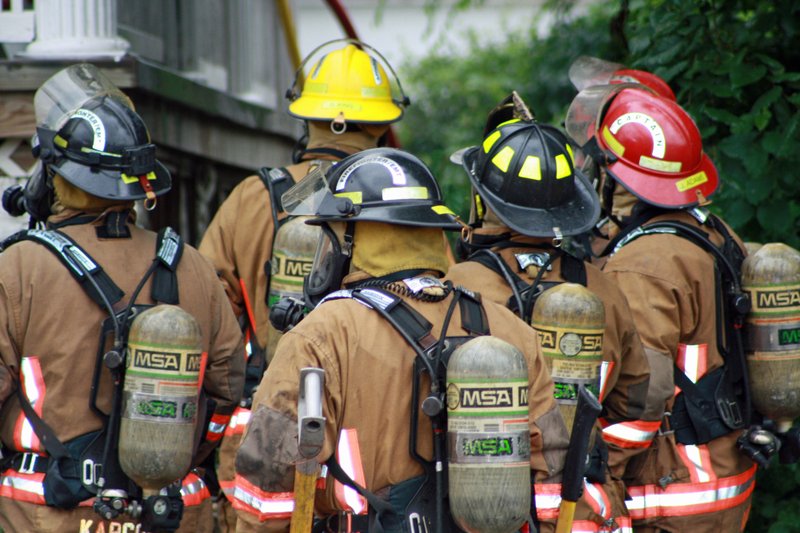
Set a Regular Inspection Schedule
The simplest way to stay ahead of wear is to inspect on a calendar rather than after a problem. Many departments pair accountability checks with their weekly apparatus inspections. This approach keeps fireground accountability visible without adding a separate chore. During each check, crews should review these items:
- Passport® collectors and name tags for every assigned member
- Helmet shields for fading, cracks, or loose fasteners
- Command boards for clean surfaces and working markers
- Spare tags and blank collectors for new or mutual aid personnel
A short checklist turns these reviews into a five-minute task. When a shield looks worn, swap it out with replacement helmet shields that match your department's color scheme. Record each inspection so officers can spot recurring issues across shifts.
Beyond weekly checks, schedule a deeper review once or twice a year. Pull every tag, collector, and board out of service for a full count. Compare the results against your current roster and replace anything that no longer reads clearly. This reset gives officers confidence that the whole system will hold up during a working fire.
Keep Passport® Collectors and Name Tags Current
Outdated tags create real risk. If a name tag belongs to someone who transferred last month, the board shows a firefighter who isn't on scene. That kind of error weakens fireground accountability at the exact moment command needs accurate numbers.
Federal investigators have pointed to this issue repeatedly. The NIOSH Firefighter Fatality Investigation and Prevention Program has repeatedly urged departments to use a functional personnel accountability system. That system should show where every member is and what they're doing. It can only meet that standard when its materials reflect today's roster.
Build tag updates into your onboarding and offboarding steps. Assign one officer per station to issue new tags and collect old ones. That officer can also confirm that each collector holds the right names. A small stock of blank tags also prevents delays when someone new joins mid-shift.
Clean and Store Boards and Shields Properly
Command boards carry the full picture of an incident, so they deserve careful handling. After each use, wipe the surface completely before returning the board to the apparatus. Leftover marks from the last call can confuse the next incident commander and hurt fireground accountability. Alcohol wipes make this step quick and consistent.
Storage matters just as much as cleaning. Keep boards in a dedicated compartment where they won't rub against tools or hose fittings. Store markers and grease pencils in a holster or pouch so they stay with the board. A complete kit saves time when the first-arriving officer establishes command.
Helmet shields need attention too. Rinse off soot and debris after fires, then let them dry before reattaching. Check the hook-and-loop backing for wear, since a loose shield can fall off during interior operations. A quick look after each call keeps crew identification clear from across the scene.
Make Fireground Accountability a Training Habit
Materials only help when crews use them correctly. Regular drills give members a chance to practice turning in tags, updating boards, and calling for a PAR. These sessions also reveal gaps in fireground accountability that inspections might miss, such as a missing collector or an outdated tag.
Treat accountability gear like any other piece of safety equipment during training. Ask crews to report damaged items right away rather than waiting for the next inspection. Over time, this mindset builds a culture where everyone shares responsibility for the system. Officers can then focus on command decisions instead of chasing missing materials.
Training should include mutual aid partners whenever possible. Shared drills help visiting crews understand how your board and tag system works before a real incident tests it. Even one joint session per year can make a noticeable difference.
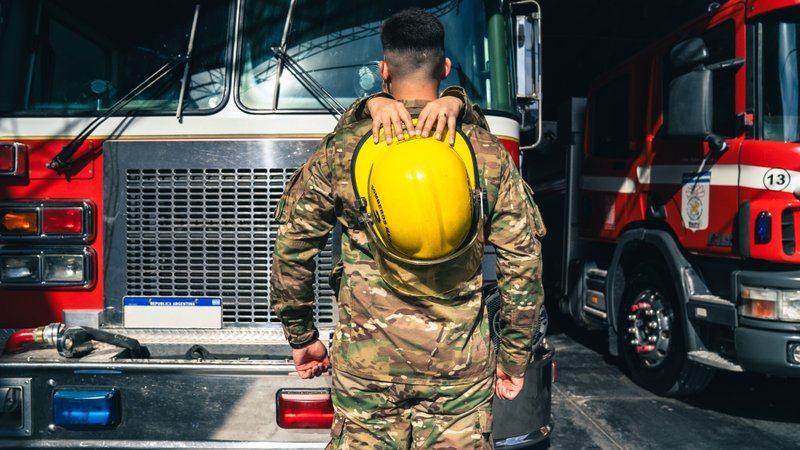
Supporting Your Accountability Program for the Long Haul
Strong fireground accountability comes from good tools paired with steady maintenance. Departments that replace worn items early tend to avoid larger, costlier overhauls later. Planning small, regular purchases into the annual budget also helps chiefs avoid surprise expenses.
As a veteran-owned and operated company, IMS Alliance® holds the trademark for the Passport Accountability System® and designs mission-driven incident management tools for responders. Departments can customize Passport Accountability System® tags, collectors, and accessories to fit their roster, apparatus, and color scheme. Replacement parts are simple to order, so your program stays complete between budget cycles.
Whether you're refreshing a single engine or every station in your district, our team would love to hear about your setup. Reach out to IMS Alliance® today, and let's keep your crews accounted for on every call.


