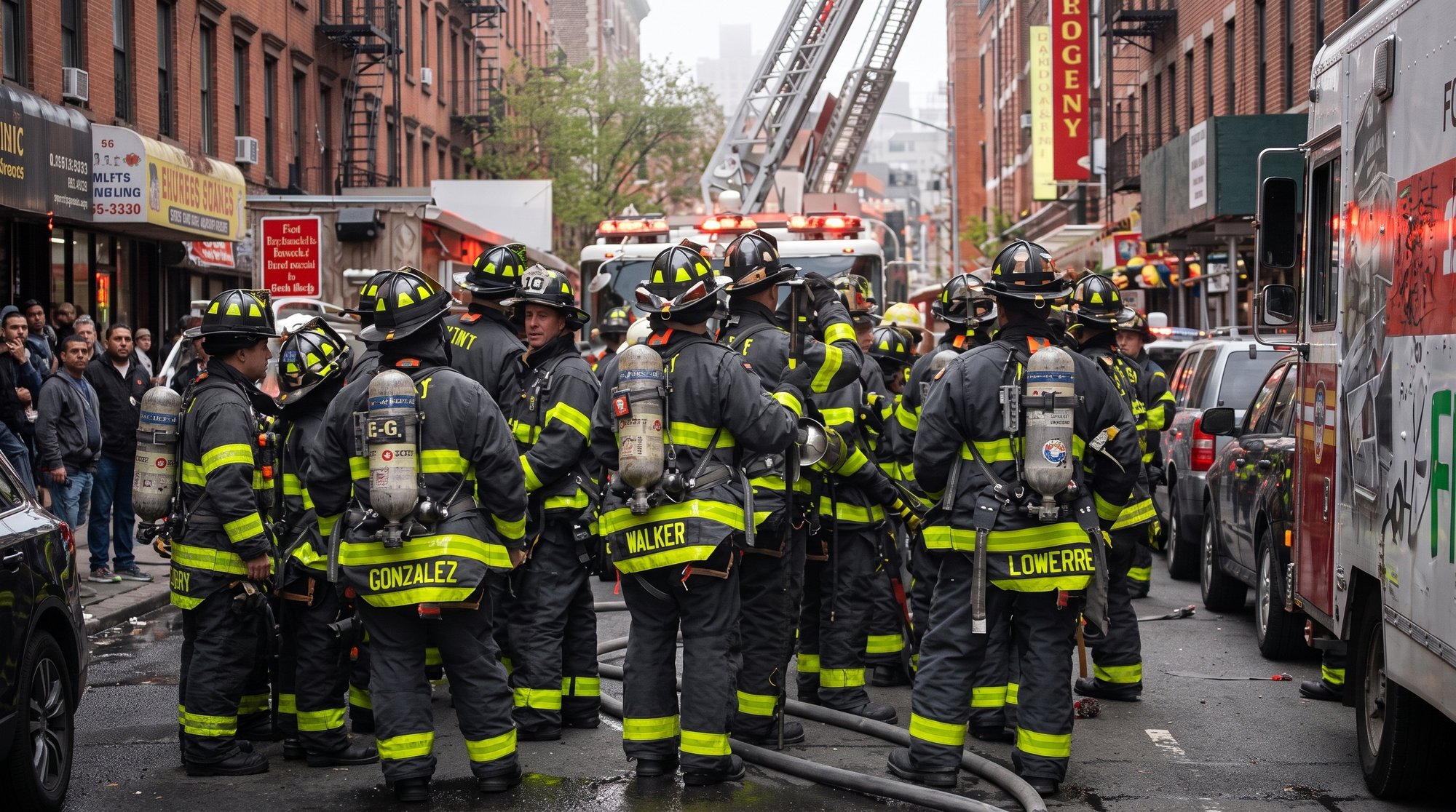
Mutual aid response brings extra engines, ladders, and crews to an incident that has outgrown a single department. That help is welcome, but every arriving unit adds names the incident commander must track. When agencies follow different check-in habits, the picture on the command board can fall apart quickly.
A shared accountability method keeps that picture whole. The Passport Accountability System® gives every crew the same simple routine, no matter which patch is on their shoulder. Here is how departments can make it work when several agencies arrive at once.
Why Accountability Gets Harder When Agencies Combine
A single department usually knows its own people well. Officers recognize voices on the radio and know which crew rides on which apparatus. A mutual aid response strips away much of that familiarity within minutes.
Incoming crews may arrive from different directions and stage in different places. Some may start working on a task before command assigns them one. Radio channels, unit designations, and officer ranks can also differ from one agency to the next. Each of these gaps makes it easier for a firefighter to slip off the tracking sheet.

The incident commander needs one answer at any moment: who is on scene, and where are they working? Without a common system, that answer depends on memory and radio traffic. Neither holds up well when fire conditions change fast.
How the Passport® System Travels Between Departments
The Passport Accountability System® works because the routine stays simple. Each firefighter carries name tags that attach to a passport® assigned to their company. Before entering a hazard zone, the company officer hands that passport collector® to the accountability officer or division supervisor. The tags show exactly who is working inside, and the board placement shows where.
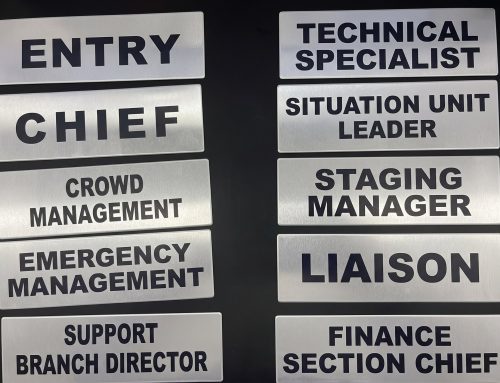
The same tools work whether a crew belongs to the host agency or a neighbor 20 miles away. A visiting lieutenant does not need to learn a new process in the middle of an incident. During a mutual aid response, that consistency saves time and cuts confusion at the command post. Color-coded helmet shields add another layer, since they let officers spot key roles from a distance.
Departments can also prepare for visiting crews ahead of time. Some keep blank tags and spare passport collectors® in the command vehicle for units that arrive without them. Others agree with neighbors on a standard tag layout that shows name, rank, and company. Small steps like these keep personnel accountability intact even when a crew forgets its gear.
Setting Up Check-In for a Mutual Aid Response
Accountability works best when it starts at the first point of contact. FEMA’s NIMS training lists check-in and check-out among the core elements of accountability for all incident personnel. A clear check-in plan helps every mutual aid response begin on solid footing. Departments can build that plan around a few practical steps:
- Name a staging or check-in location before outside companies arrive.
- Require every incoming company to hand over its passport collector® before it receives an assignment.
- Assign a dedicated accountability officer so the incident commander can focus on strategy.
- Track companies by assignment on a board that mirrors the incident’s structure.
- Match each passport collector® against the crew during every personnel accountability report (PAR) and at demobilization.
These steps give visiting crews a clear path from arrival to assignment. Larger incidents may also call for grouping companies into strike teams or task forces. An ITAC strike team board helps supervisors see which companies belong to which group. It also makes reassignments easier to document as the incident grows.
Lessons From Fireground Investigations
NIOSH line-of-duty death investigations show what happens when accountability breaks down across agencies. In one New York case, a truck company entered a burning house without leaving its accountability tags with command. Investigators cited an ineffective personnel accountability system as a contributing factor. They also pointed to a lack of joint training between mutual aid response departments.
Similar themes appear across many fatality reports. Crews freelance, tags stay on the apparatus, or a PAR misses a firefighter who left their assigned crew. Every mutual aid response carries the same risk when agencies skip the basics. A physical tag in the right hands at the right time closes many of these gaps.
Training Together Before the Next Mutual Aid Response
Agreements on paper do not guarantee smooth coordination on scene. Neighboring departments benefit from drilling with the same accountability tools they use on real calls. Joint drills let officers practice handing off passports®, running PARs, and reassigning crews under pressure. They also reveal differences in radio terms or command habits before an emergency exposes them. Even one tabletop session each year can surface problems that would otherwise wait for a working fire.

Many departments also schedule in-person training focused on incident command and accountability. Hands-on sessions help officers and firefighters build the same muscle memory. When every crew follows the same steps, a mutual aid response feels less like strangers working side by side. It starts to feel like one team with one plan.
Building a Shared Standard Across Your Region
Accountability should not depend on which agency arrives first. A common system, a clear check-in plan, and regular joint drills give every crew the same footing. Those habits turn a mutual aid response from a scramble into an organized operation. Incident command also gains a clearer view of every resource from arrival to release.
As the trademark holder of the Passport Accountability System®, IMS Alliance® builds incident management tools for fire, EMS, law enforcement, and military responders. The veteran-owned team also customizes boards, helmet shields, and tags to fit how each department operates. If your region is working toward a shared accountability standard, reach out to our team and we’ll gladly talk through a setup that fits you and your neighbors.